
Autism and the Dentist: Small Office Changes That Make a Big Difference


A dental visit that feels routine for most patients can be genuinely overwhelming for someone with sensory sensitivities. A special needs dentist in Stark County can make a meaningful difference here, not through major renovations or complicated protocols, but through specific, concrete changes to how a visit is structured.
Why Standard Dental Visits Can Be So Difficult
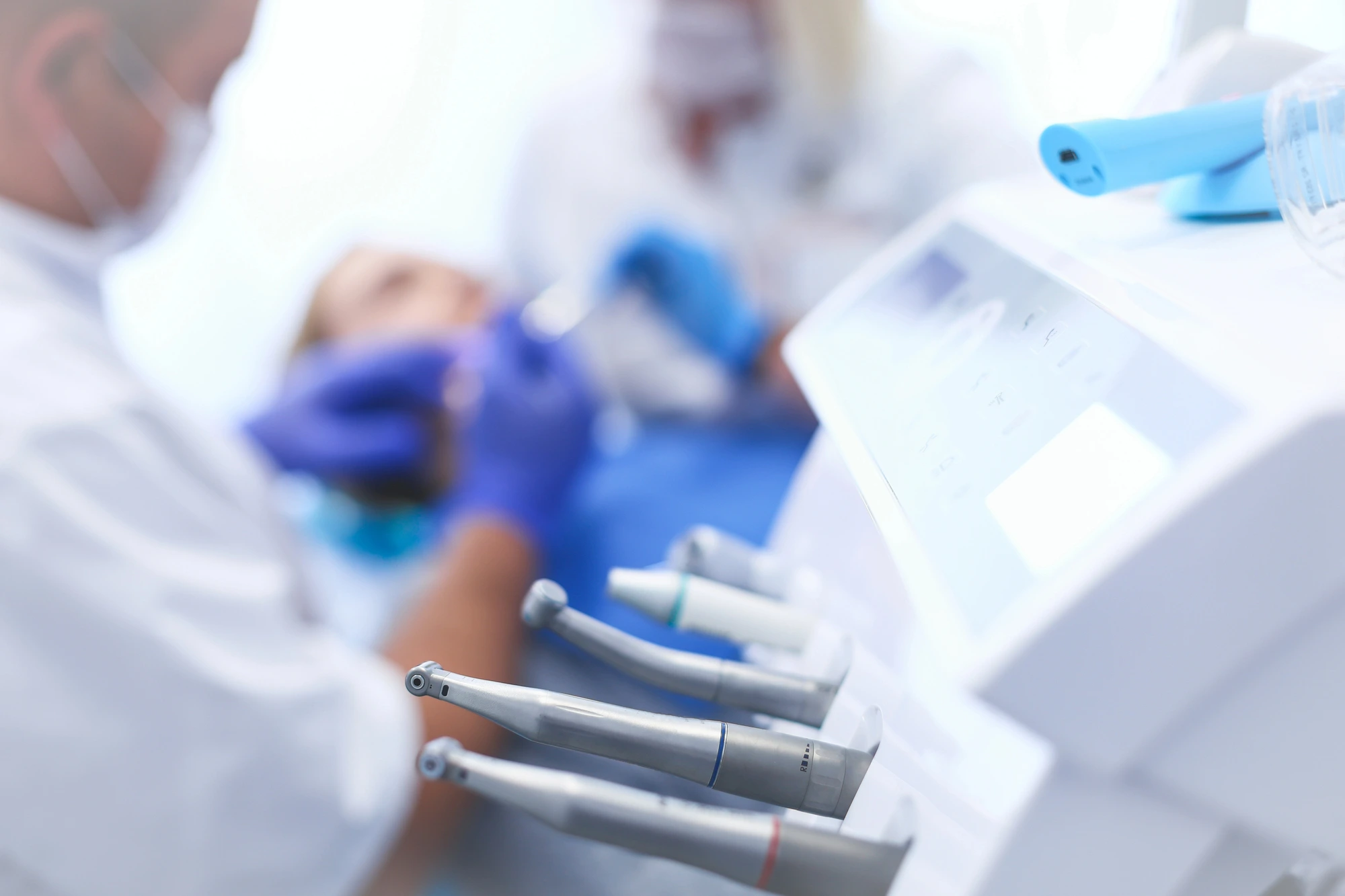
Bright lights, unfamiliar sounds, unpredictable touch, and a busy waiting room can all be genuinely overwhelming for autistic patients. This isn't about behavior or cooperation. It's a real sensory and processing difference that deserves accommodation, not just patience.
Recognizing this distinction early, in the same way it matters when helping a child feel comfortable at the dentist more broadly, is the foundation for a better visit.
Small Changes That Make a Real Difference
A handful of concrete office accommodations tend to make the biggest impact:
- Dimmed or adjustable lighting instead of standard overhead fluorescents
- Noise-reducing headphones or quieter equipment options during procedures
- Extended appointment times that avoid rushing through each step
- Visual schedules or "show and tell" walkthroughs before any tool touches the mouth
- A quiet waiting area, or the option to wait in the car until called back
- Consistent staff and scheduling to build familiarity over repeat visits
None of these requires major renovations, just intentional planning. In some cases, when a procedure is more involved, these accommodations may be paired with hospital dentistry to provide an even more controlled setting.
Why Sedation Isn't Always the First Step
Sedation is one tool among several, not an automatic default for every autistic patient. Many patients do well with sensory accommodations alone, while others benefit from a combination approach depending on the specific procedure involved.
Understanding the full range of sedation dentistry options helps families and their dental team decide together what actually fits, rather than defaulting to the most intensive option by habit.
How Caregivers Can Help Set Up a Successful Visit
Sharing sensory preferences and triggers ahead of time, bringing a comfort item, and scheduling at a time of day that tends to work best for the patient all help the visit go more smoothly.
According to Autism Speaks, sensory overload can build up over time and lead to real distress, which is exactly why understanding and accommodating these sensitivities in advance matters so much.
The American Academy of Pediatric Dentistry also recognizes that patients with special health care needs often require additional appointment time and a customized approach to achieve safe, effective care. This kind of communication helps the dental team prepare in advance rather than adjust on the fly.
Frequently Asked Questions
Does every autistic patient need sedation for dental visits?
No. Many do well with sensory accommodations alone, depending on the individual and the specific procedure involved.
Can I stay in the room during the appointment?
In most cases, yes, and it's worth asking about ahead of time when scheduling.
How far in advance should I share accommodation needs?
As early as possible, ideally when scheduling the appointment itself.
A Calmer Visit Starts Here: Meet Your Special Needs Dentist in Stark County
At Thomas Dental Group, we believe every patient deserves a dental visit that feels manageable, not overwhelming. Our team is ready to work with you to plan the right accommodations before you ever step through the door. Contact us today to schedule a visit and get safe, compassionate care.
Ready to start your journey
Schedule your appointment today and discover the difference quality care makes.

Contact us
We’re ready to help. Reach out with questions or to schedule your visit.